
Director's Message
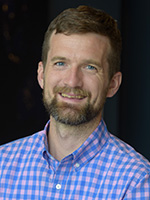
CTS Director
Throughout 2024, CTS has deliberately focused our work across all of Minnesota. Such effort is not new for us or the wider University, of course, but this year we set out to reinforce and showcase our core commitment to cultivating an innovative and effective transportation system for all Minnesotans.
CTS staff and partners apply our research, education, and engagement efforts to serve every part of the state. We run several high-impact statewide programs, such as our Local Technical Assistance Program and Airport Technical Assistance Program (LTAP and AirTAP), through which we offer ongoing training for transportation professionals. This year our LTAP team offered in-person training from Owatonna to Detroit Lakes. Through the Toward Zero Deaths program and new Advisory Council for Traffic Safety, we convened critical conversations with a range of partners on ways to combat the epidemic of traffic fatalities and injuries. Our communications team covered stories from all of these programs and shared research outcomes with wide audiences. Researchers from the U of M worked closely with our local and state partners through the Local Road Research Board and MnDOT’s Office of Research & Innovation to tackle both immediate applied research questions and longer-term basic research needs that could lead to the next generation of transformative transportation technologies or practices.
Despite this broad footprint, we are always striving to expand where we work, who we learn alongside of, and how we build a stronger state.
That means covering more ground. Now in my third full year as director, I have appreciated the opportunities to visit with partners and community members throughout much of the state. There’s really no substitute for seeing firsthand the myriad transportation challenges and opportunities that our communities face in the hope of finding ways that University research and programming can help address both. I deeply valued the experience of building new relationships and strengthening existing ones through sharing the work of CTS and the U of M in Duluth, St. Cloud, Brainerd, Bemidji, Grand Rapids, North Mankato, and the Mille Lacs Tribal Nation. In the coming weeks our team will head to Austin to learn about public transportation in Greater Minnesota, and I’ll be traveling to Eveleth for a meeting of the Advisory Council on Active Transportation. We will continue to cover more ground, meet more Minnesotans, and work on applying research, education, and engagement solutions that address their challenges in the year ahead.
Reaching this goal also means expanding what our work is and how we train our lens on the wider state. This year we took that approach through our Rural Needs, Statewide Answers thematic focus. That North Star helped facilitate multiple research efforts, shaped a deep dive into diverse issues, and allowed us to host a range of important conversations with stakeholders throughout the state. We will continue that thematic work up through December, so stay tuned!
We also launched exciting new programs with partners from across the University and with communities across the state. With funding from the Minnesota Legislature, we introduced the Empowering Small Minnesota Communities program. Alongside the U of M Extension’s Regional Sustainable Development Partnerships, Minnesota Design Center, Humphrey School of Public Affairs, and Center for Urban and Regional Affairs, we’ve begun supporting communities of fewer than 15,000 people in addressing pressing infrastructure and sustainability needs—with the goal of helping these communities unlock federal and state funds. With the first round underway, we will continue that program through the summer of 2026.
This drive and impact would not be possible without the integral contributions of the entire CTS team, our affiliated researchers, our executive committee, and our close collaborators. The fruits of their labor are apparent in the content of this Impacts Report, and I thank all of these colleagues for their hard work and energy.
Being a part of the state’s flagship University means that serving the entire state is front and center. Even as our work draws us into more national and international conversations, and even as we aim to share the innovations we are developing here with audiences across the globe, we will, as always, first learn with and from our neighbors. We will continue to dig for solutions to our shared problems and identify paths to new opportunities.
— Kyle Shelton, CTS Director