Our Vision
In collaboration with public-sector, industry, and academic partners, CTS shapes transportation systems that are sustainable, serve the needs of all users, support a strong economy, and improve our collective quality of life.
Our Mission
CTS cultivates improvements and innovation in transportation through research, engagement, and education.
Our Values
Collaboration | Community | Curiosity | Excellence | Respect | Versatility
What We Do
CTS works with faculty and research staff in over 30 departments across the University of Minnesota to address a wide range of critical transportation topics, including:
- Safety
- Equity
- Access to opportunity
- Sustainability
- Resilient infrastructure/materials
- Future mobility technologies
How We Do Our Work
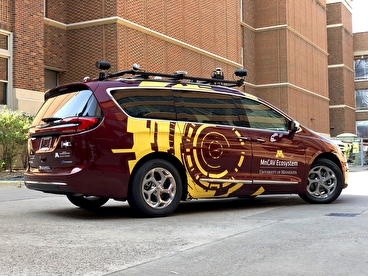
- We produce and share leading-edge transportation research and technology, and we work with our partners to transfer findings into practice.
- We serve our land-grant mission by deploying the University of Minnesota’s resources and expertise to address public needs.
- We coordinate efforts to strategically invest in research and needed research infrastructure to answer the most pressing transportation challenges.
- We support and develop the transportation workforce of the future.
- We identify core transportation issues and convene on them.
- We inform public policy and decision-making processes with research-driven conclusions.
Partnering With Us
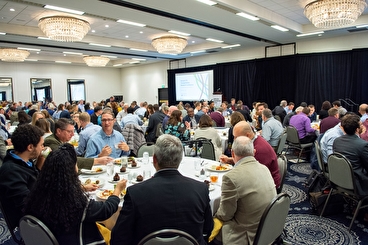
- Bring us questions, priorities, research needs, or topics for convenings. We are eager to hear from public agencies, government jurisdictions large and small, tribal nations, industry partners, and individuals about their transportation priorities.
- Attend our events and join the conversation through our communication channels.
- Learn about University of Minnesota expertise, research assets, and education/engagement resources and how they might be brought to bear on solving issues.
- Share our findings with your communities to help us implement policy and research-based solutions.
- Bring CTS and the University of Minnesota into your work and conversations. Transportation challenges interlock with countless areas—from health care to employment. We want to explore and expand those connections together and to search for solutions.